1. Planning and access method
The work starts with confirming the turbine, required scope, access conditions, weather limitations and site safety requirements. The team then plans the appropriate rope access setup for the areas included in the task.
 post@tt-ndt.com
Contact us
post@tt-ndt.com
Contact us
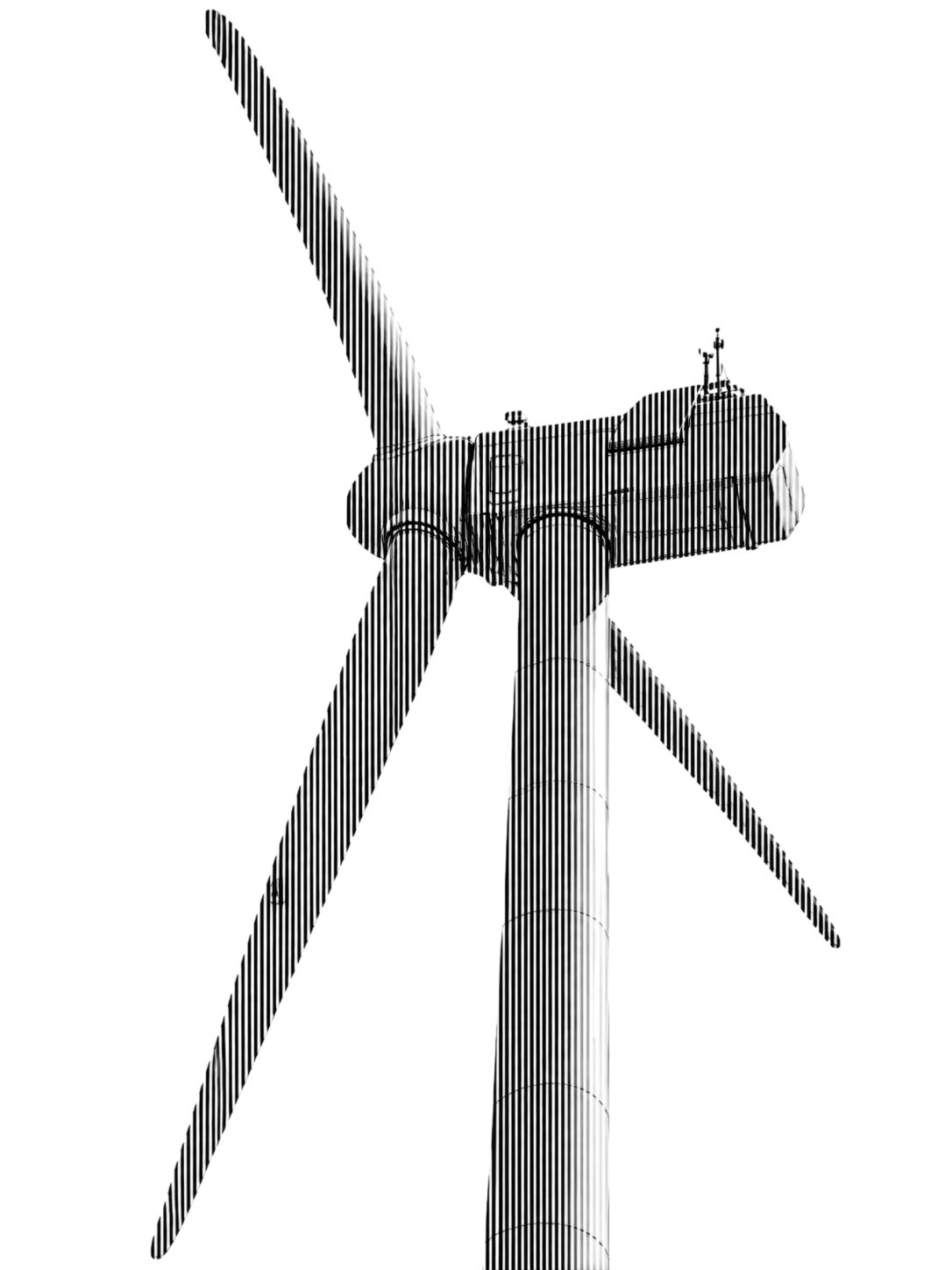
Wind turbine inspection and maintenance often require access to blades, towers, nacelles and external components located high above ground or sea level. Rope access provides a practical method for reaching these areas when conventional access equipment would add complexity to the work.
TT-NDT provides wind turbine rope access support for onshore and offshore projects. Depending on the agreed scope, technicians can assist with inspection, visual assessment, maintenance tasks and documentation in difficult-access areas while working around site conditions, weather and turbine availability.
Wind turbine rope access uses professional rope systems to position technicians on blades, towers, nacelles and other elevated or difficult-access parts of a turbine. It provides direct access to areas where conventional platforms, lifts or other temporary access systems may be impractical.
A rope access technician can combine the access method with an agreed inspection or maintenance scope. Typical work may include blade inspection, visual assessment of tower and nacelle areas, coating condition checks, cleaning, component checks and photographic documentation.
For wind energy projects, the main advantage is flexible access to specific turbine areas while accounting for weather conditions, site restrictions and turbine availability. The exact work scope is defined for each project.
Wind turbines operate in demanding environments with wind, rain, UV exposure, temperature changes, vibration and, offshore, salt and humidity. These conditions make regular inspection and maintenance important for understanding the condition of accessible turbine components.
Blades, towers and nacelle areas can be high, curved or otherwise difficult to reach. Rope access allows technicians to work directly at the required location without relying on extensive temporary access structures for every task.
For wind turbine maintenance, the access method must be coordinated with weather, turbine availability and the planned work scope. Rope access can provide a flexible option for inspection and maintenance tasks where direct access is required.
The work starts with confirming the turbine, required scope, access conditions, weather limitations and site safety requirements. The team then plans the appropriate rope access setup for the areas included in the task.
Technicians access the required turbine areas and carry out the agreed inspection or maintenance scope. Findings can be documented with photographs, descriptions and location information so that the condition of the inspected area is clearly recorded.
After the work is completed, the client receives a summary of the completed scope and relevant findings. Where further inspection or maintenance is required, the recorded information can be used to plan the next stage.
Wind turbine rope access can be used on onshore and offshore turbines to reach blades, leading edges, towers, nacelles, coating systems and other external or difficult-access components. Blade inspection and visual documentation can be carried out directly at the required area.
The access method can support planned wind turbine maintenance, inspection campaigns, post-event condition checks, damage assessment and other agreed work at height. It can also be useful for offshore wind maintenance where access planning must account for weather and site logistics.
The result is a completed rope access scope with documented information from the areas included in the work. Depending on the project, this may include inspection findings, visual documentation, completed maintenance tasks and information for planning follow-up work.
For the client, this provides a practical record of work completed on difficult-access turbine areas and a clearer basis for maintenance decisions and further inspection.
TT-NDT provides rope access support for industrial, offshore and wind energy projects where work must be coordinated with difficult access, weather conditions and site safety requirements. The access plan is built around the turbine area and the agreed inspection or maintenance scope.
Support can be provided for individual inspections, maintenance campaigns and longer-term projects. For components that are difficult to reach, rope access provides a practical way to position personnel directly at the work area and document the completed scope.
A rope access technician uses rope systems to reach and work in difficult-access areas at height. On wind energy projects, the access method can be combined with an agreed inspection or maintenance scope on turbine components.
Rope access provides direct access to blades, towers, nacelles and other elevated areas without requiring extensive temporary access structures for every task. The suitability of the method depends on the work scope, turbine configuration and site conditions.
Yes. Rope access can be used on offshore wind turbines where the work scope and site conditions allow it. Planning must account for weather, turbine access, offshore logistics and the applicable site safety requirements.
Depending on the project scope, inspection may cover blades, leading edges, towers, nacelle areas, coating systems and other visible external or difficult-access components.