post@tt-ndt.com Contact us
01
02
03
04

Cost-Effective Solution

Versatile Applications

High Sensitivity

NDT Method

Ultrasonic testing

Ultrasonic test is a sophisticated technique that utilizes high-frequency sound waves to penetrate materials and detect internal flaws. By sending ultrasonic pulses into a material and analyzing the reflected signals, our skilled technicians can identify cracks, voids, inclusions, and other imperfections without compromising the integrity of the tested item.

Ultrasound method of studying the structure of materials allows not only to avoid downtime and destruction of tested materials, but also significantly increases the service life by obtaining advanced data on the state of the part under study. This is especially important for metal structures, including those made of steel, which require more careful study and work mainly in an aggressive environment.

What is ultrasonic testing?

SAFETY

THE

GUARANTEE

Ultrasonic testing (UT) is the leading method of non-destructive evaluation (NDE) used across various industries to ensure the integrity and quality of materials and components. The definition of ultrasonic testing involves the use of high-frequency sound waves that are transmitted into a material to detect imperfections, measure thickness, and evaluate the overall structural integrity. With our advanced ultrasonic testing services, you can identify defects such as cracks, voids, and inclusions, assess material thickness with precision, and guarantee the safety of your structures.
This method is essential for industries such as oil and gas industry, chemical, marine, aerospace, automotive, manufacturing, and construction, where even minor flaws can lead to significant safety hazards.

Definition

  • Cost-Effective Solution:
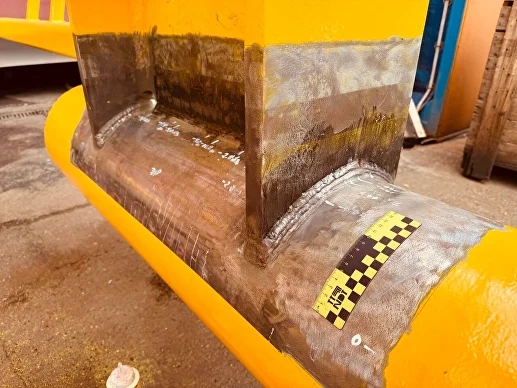
By identifying potential issues early through ultrasonic test, you can save on costly repairs and avoid unexpected downtime. Most of the time it is done during construction period and during exploitation according to the sett requirements. if Ultrasonic inspection can provide advanced information about the condition of structural elements, thereby reducing risks and increasing the efficiency of the enterprise.

  • Versatile Applications:
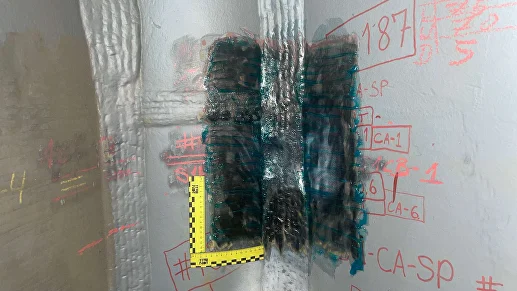
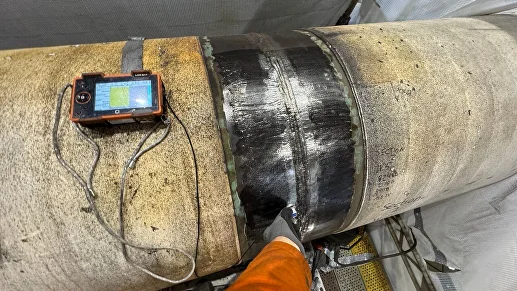
UT is widely used in various sectors, including oil and gas, automotive, and structural engineering. Whether you need to inspect welds, pipes, or concrete structures, our services are tailored to meet your specific needs.

  • High Sensitivity:
Our ultrasonic testing equipment is designed to detect even the smallest defects, making it an ideal choice for critical applications in industries such as aerospace, construction, and manufacturing.

  • Non-Destructive Method:
One of the key advantages of ultrasonic testing is that it does not damage the material being tested. This means you can maintain the functionality and value of your components while ensuring they meet safety standards.

Why choose ultrasonic testing?

Want to learn more about NDT?

Sign up for our online courses right now and get a set of extra materials on all chapters!

Let's go!

3. Application of Ultrasonic Probes
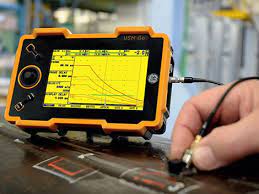
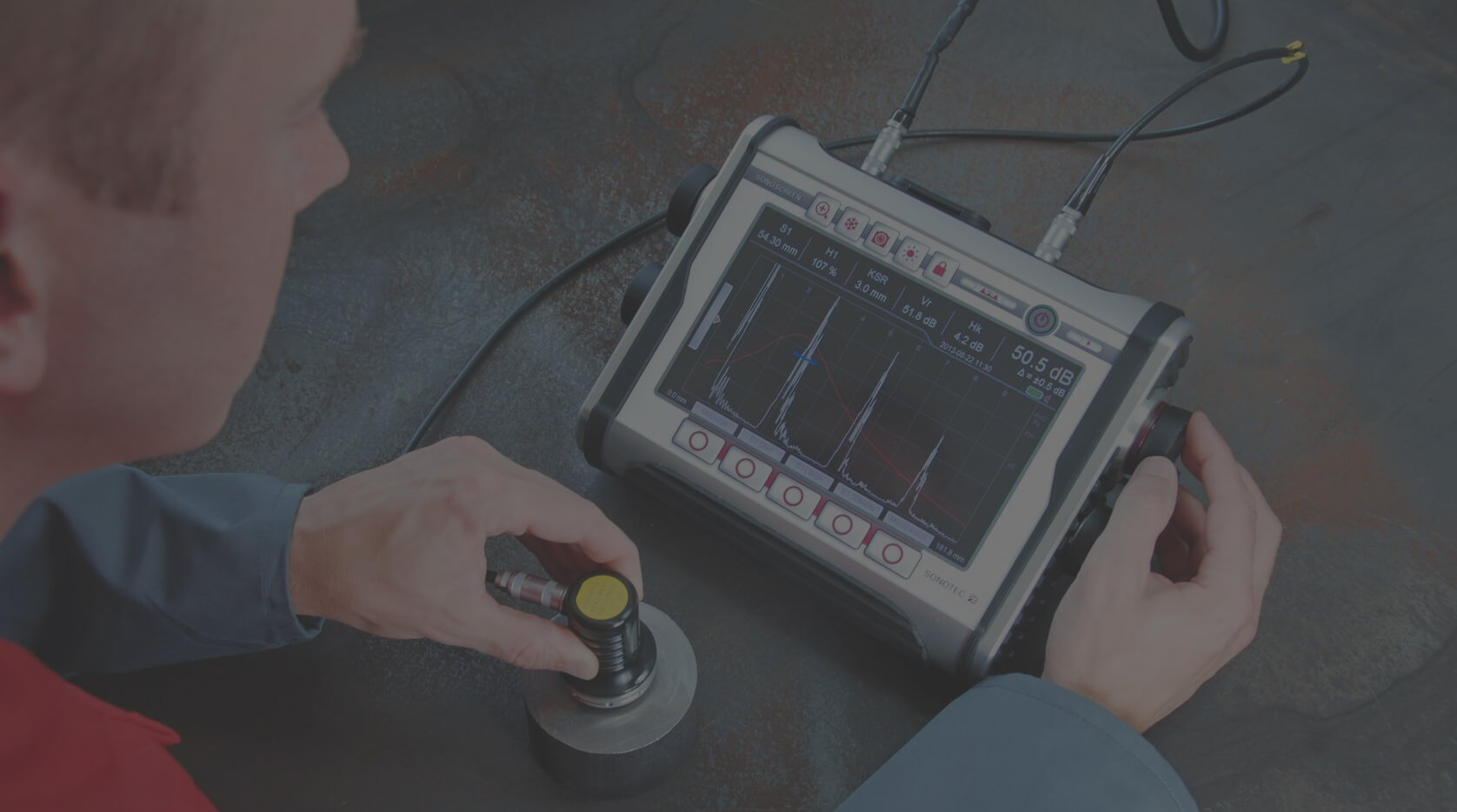
Our technicians apply ultrasonic probes to the surface to emit sound waves into the material. As the sound waves travel through the steel (or any other material), they reflect off any internal imperfections or irregularities, allowing the inspector to evaluate the integrity of the material.

4. Data Analysis
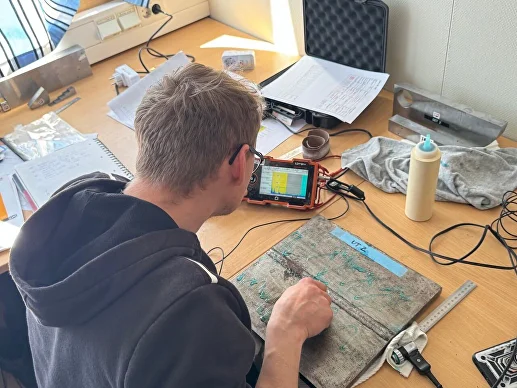
The reflected signals are captured and analyzed using advanced software, allowing us to visualize any defects and provide a comprehensive report. This process is a key component of non-destructive inspection (NDI), as it enables us to assess the integrity of materials and components without causing any damage. By utilizing sophisticated algorithms and visualization techniques, we can accurately identify potential issues and ensure that the inspected items meet safety and quality standards.

ASME Kit Includes:
  • USM Go+ Standard (DAC, AWS, SWP) - GEIT1480179
  • MWB Transducer 45° - GE-0056927
  • MWB Transducer 60° - GE-0056928
  • MWB Transducer 70° - GE-0056929
  • MSEB Transducer, 4 MHz - GE-0057462
  • Lemo 00 Straight to Lemo 00 Right Angle, 6' Cable - 022-509-819
  • Dual Lemo 00 Straight to Dual Lemo 00 Right Angle,
6' Cable - 022-509-821
  • Lithium Ion “on-board” rechargeable battery pack
  • Lithium Ion battery charger /AC power supply
  • Protective LCD Screen Overlays (pkg. 10), clear, field replaceable
  • Transport Case
  • Hand Strap
  • ISO 17025 Certificate of Calibration

2. Equipment should be properly calibrated
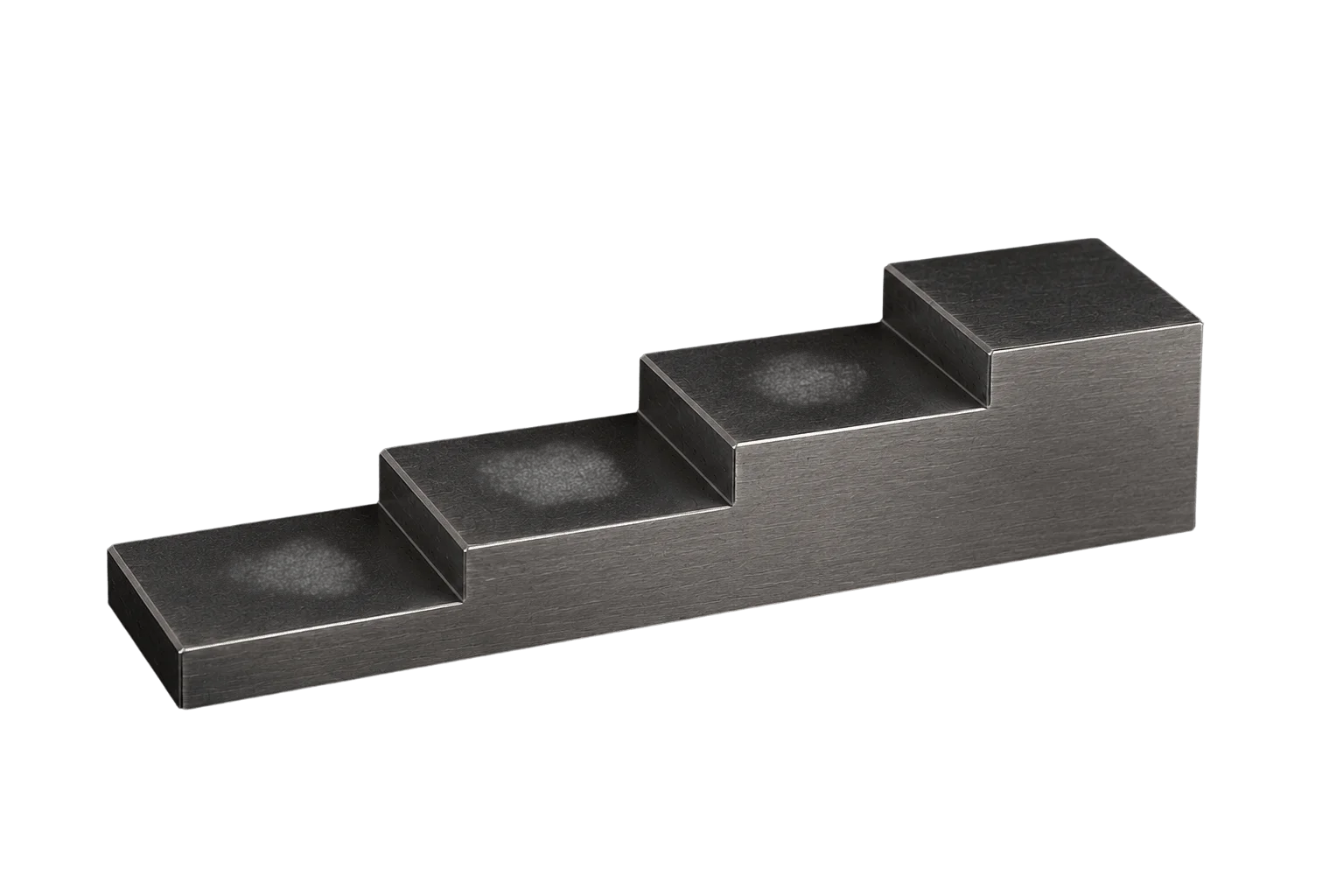
If not, it can lead to an epic fail. There are different manufacturers and tools. At the present time we mostly use USM Go+.

1. Surface Preparation
Before conducting ultrasonic testing, we ensure that the surface of the material is clean and free from contaminants that could interfere with the results. This step does not require any material probes because ultrasound is a non-destructive testing (NDT) method.

How
ultrasonic testing works

  • Aerospace: In aviation and space sectors, ultrasonic testing is critical for detecting defects in aircraft components. Due to the high safety standards required in aviation, UT serves as a vital tool in maintaining the integrity of critical parts, ensuring that they meet stringent regulatory requirements and perform reliably under extreme conditions.

  • The oil and gas industry relies heavily on UT for the assessment of pipelines, tanks, and pressure vessels. This method ensures compliance with safety regulations by identifying corrosion, cracks, and other defects that could lead to catastrophic failures, thus protecting both personnel and the environment. Assessment of pipelines, tanks, and pressure vessels to ensure safety and compliance.

  • Construction: UT is essential for the inspection of welds, concrete structures, and metal components. This technique helps identify internal flaws and discontinuities that could compromise structural integrity, ensuring that buildings and infrastructure are safe for use.

Areas of application
of ultrasonic testing methods

  • Manufacturing: Ultrasound examination is widely employed for quality control of machine parts, including shafts, gears, and casings. By utilizing the basics of ultrasonic waves, manufacturers can detect surface and subsurface defects early in the production process, thereby reducing waste and improving product reliability.

Construction

Manufacturing

OIL AND GAS

Aerospace

Still having doubts about ultrasound tests? Not sure if it fits your abilities? Fill out a form and get a free consultation now.
Get started with
ultrasonic testing today!
© 2002 - 2025 TT-NDT
Org nr: 934 909 399
Commercial contact
Main office TT NDT
TTNDT logo
v/House of Business Solli
Henrik Ibsens st. 90
0255 Oslo, Norway
Contacts