post@tt-ndt.com Contact us
SERVICES

Visual Inspection Testing

Visual inspection testing for reliable asset assessment

Visual inspection testing is often the first and most practical step in understanding the real condition of equipment, structures, welds, pipelines, tanks, pressure vessels and other industrial assets. As a part of non-destructive testing, it helps identify visible defects, signs of wear, corrosion, deformation, leakage, surface damage and irregularities without harming the object being inspected.

Our NDT VT service combines trained specialists, proven inspection procedures and practical field experience. We do not simply “look at the surface”. We assess what visible indications may mean for safety, operation, maintenance planning and further testing decisions.

  • NDT method
  • high sensitivity
  • versatile applications
  • cost-effective solution
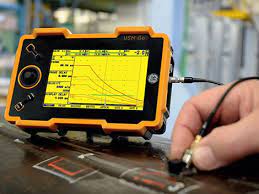
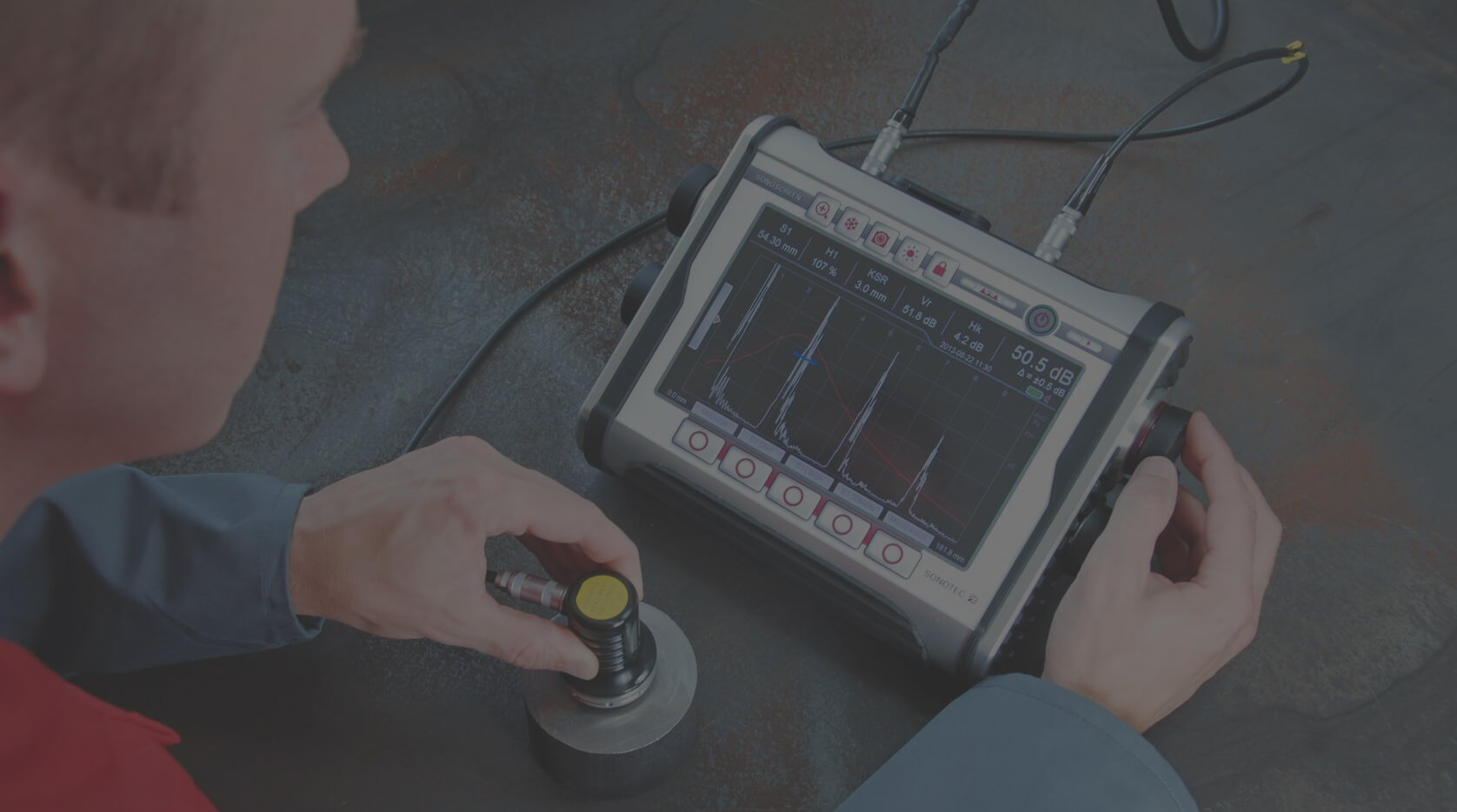
Visual inspection in progress
What is visual NDT?

Visual NDT is a method of inspection where qualified personnel evaluate the visible condition of a component or structure without causing damage. Depending on the task, visual inspection may be performed directly by an inspector or remotely using cameras, borescopes, drones, ROV systems or other optical equipment.

A professional visual inspection NDT process can reveal cracks, corrosion, misalignment, mechanical damage, weld defects, coating failures, leaks, deformation and other issues that may affect performance or safety. In many projects, visual inspection is used before more advanced NDT methods, helping to decide whether ultrasonic testing, magnetic particle testing, dye penetrant testing or other techniques are required.
GUARANTE the safety
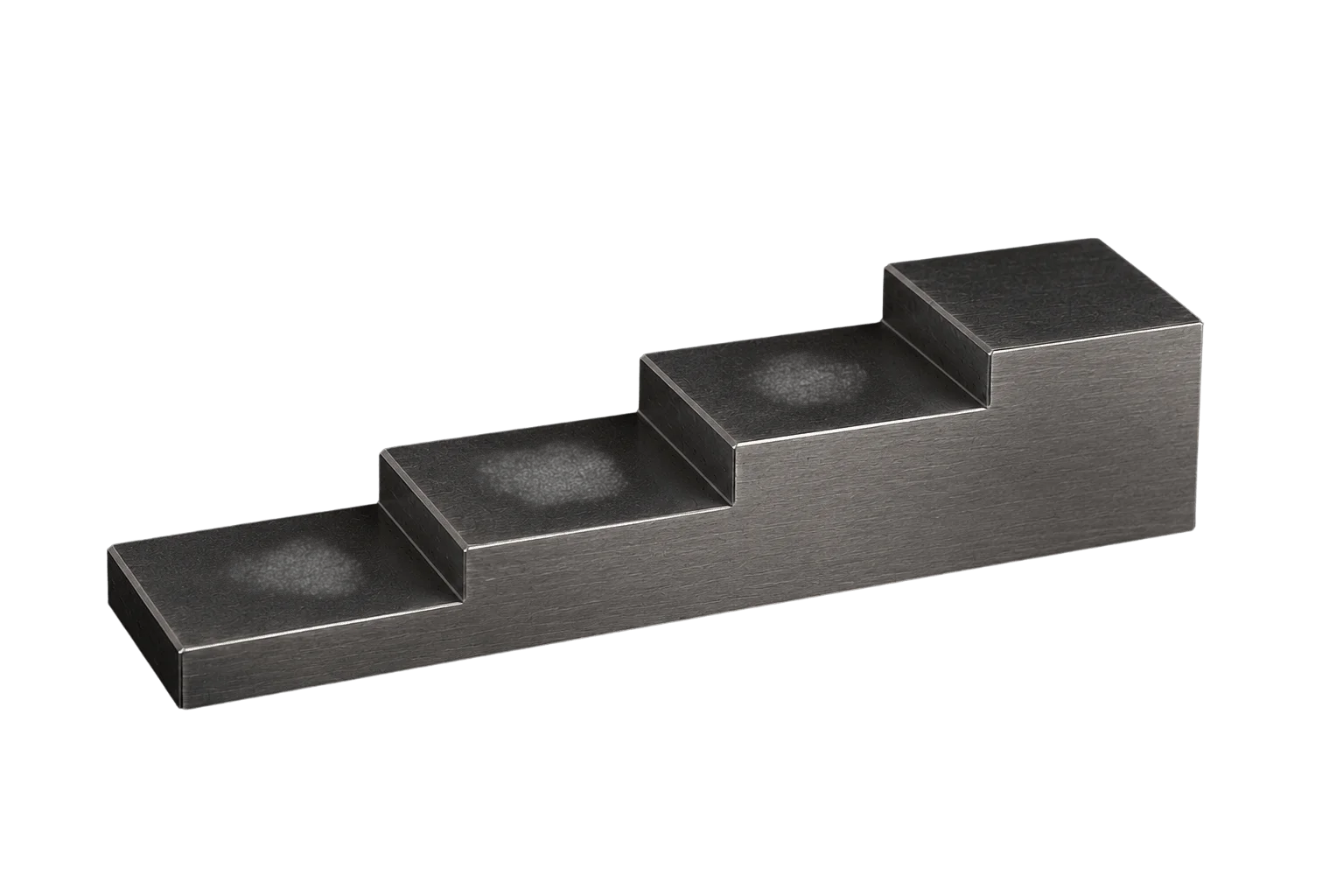
Sound analysis
Hidden defects
Material integrity

Why visual inspection testing is needed?

CONTACT US
Visual inspection testing

Early Detection:

Industrial equipment often shows early signs of failure long before a serious defect becomes critical. A properly conducted visual test NDT helps detect these signs at an early stage, when maintenance is usually faster, safer and less expensive.

Clear Asset Condition:

This method is especially useful when a client needs a clear understanding of the current condition of an asset before repair, commissioning, shutdown planning, certification, purchase, or continued operation.

Less Dismantling:

Nondestructive visual inspection also helps reduce unnecessary dismantling and supports better decision-making on site.

Downtime Prevention:

For many facilities, visual testing NDT is not just a simple check. It is a practical way to prevent downtime, improve safety and document the condition of important assets.

How we conduct visual inspection?

1. Planning and preparation

The inspection process starts with understanding the object, access conditions, operating environment and the purpose of the assessment. Our specialists review the available documentation, define the inspection area and select the most suitable approach.

2. On-site inspection

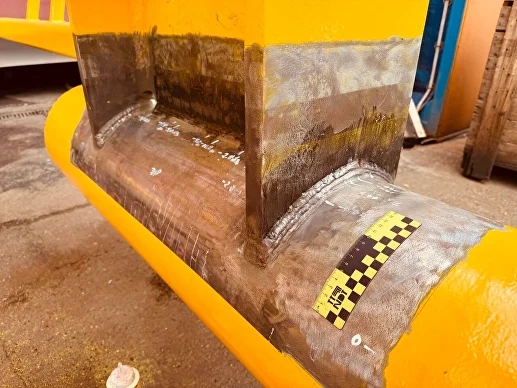
During the inspection, we assess visible surfaces, joints, welds, structural elements, coatings, connections and other critical areas. If direct access is limited, remote visual tools may be used to inspect hard-to-reach zones.

3. Recording of findings

All relevant findings are documented with descriptions, photographs or video materials where required.

4. Report and recommendations

After the inspection, the client receives a clear report with identified indications, their location, visual evidence and practical recommendations for the next steps.

If additional testing is needed, we can advise which NDT method will provide the most useful information.

Where visual inspection NDT is used?

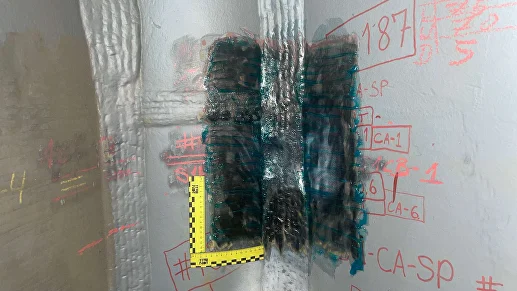
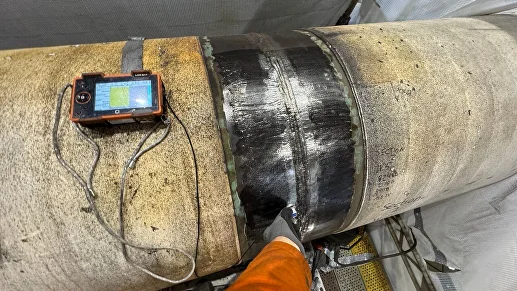
Visual inspection on site

Industries:

Visual inspection is used across many industries where safety, reliability and documentation matter.

Assets and equipment:

It is suitable for weld inspection, pipelines, tanks, pressure vessels, steel structures, marine assets, offshore equipment, industrial machinery, lifting equipment and construction elements.

Stages of work:

It can be performed during manufacturing, installation, maintenance, scheduled shutdowns, acceptance inspections or emergency assessments.

Routine and urgent cases:

Because the method is flexible and efficient, visual inspection non destructive testing is often one of the most valuable tools for both routine control and urgent technical decisions.

What you receive?

The main result of visual inspection testing is not only a list of visible defects. You receive a practical understanding of the asset’s condition and the risks that may require attention.

This gives your technical team a solid basis for planning maintenance, approving work quality or making operational decisions.

report contents
  1. 01Inspected areas
  2. 02Detected indications
  3. 03Photographic evidence
  4. 04Comments from the inspector
  5. 05Recommendations for repair, monitoring or further NDT
SERVICE REQUEST

By clicking the button you agree with our Privacy policy